
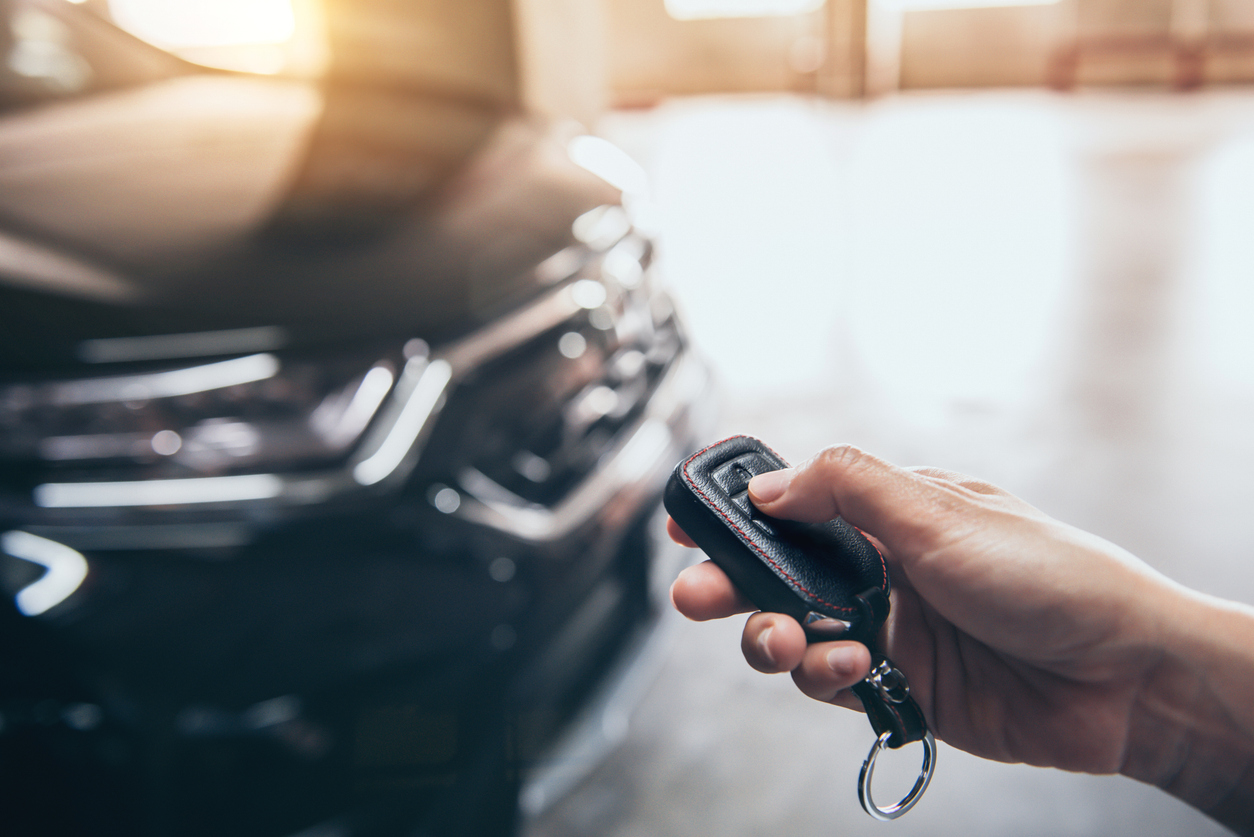
Car keys have changed dramatically over the years. What was once a simple metal blade is now often a sophisticated electronic device that communicates directly with a vehicle’s security system. Depending on the age and make of the car, a key may contain a transponder chip, remote locking controls, proximity technology or a fully integrated smart key system.
Understanding the different types of car keys can be useful if you need help with a fault. Some keys only need to be physically cut, while others also have to be programmed to the vehicle before they will start the engine. In this guide, we look at the main types of car keys and how they work.
Traditional Car Keys
Traditional car keys are the simplest form of vehicle key. They consist of a metal blade cut to match the locks and ignition barrel of the vehicle, with no electronic components inside. These keys were common on older cars before electronic immobilisers became standard and they work entirely through their physical shape.
Replacing a traditional key is usually more straightforward than replacing a modern electronic key. An auto locksmith can often cut a new key using an existing key, the vehicle lock or the correct key data for that vehicle. However, this type of key is now far less common on newer cars because manufacturers have adopted more advanced anti-theft systems.

Transponder Car Keys
A transponder key looks similar to a traditional car key but contains a small electronic chip inside the plastic head. When the key is inserted into the ignition, the vehicle checks the code stored within that chip. If the correct code is recognised, the immobiliser allows the engine to start. If the chip is missing, faulty or incorrectly programmed, the key may still turn in the ignition but the engine will not run.
This means replacing a transponder key normally involves more than simply cutting a new blade. The replacement key has to be cut to fit the vehicle and the transponder must also be programmed to communicate with the immobiliser. This added level of security became widespread because it made vehicles significantly harder to steal using a copied mechanical key alone.
Remote Car Keys
Remote car keys combine the security of a transponder key with buttons that control functions such as locking and unlocking the vehicle. Inside the key are electronic components that communicate with the central locking system, while a separate transponder function allows the vehicle to recognise the key and start the engine.
Because the remote and immobiliser functions are separate, one part of the key can fail while the other continues to work. A key may still start the vehicle even though the remote buttons no longer lock the doors, for example. Common problems include worn buttons, flat batteries, cracked cases, damaged circuit boards and lost synchronisation with the vehicle. In many cases, the key can be repaired rather than completely replaced.

Smart Keys and Proximity Keys
Smart and proximity keys are common on modern vehicles with push-button start systems. Instead of inserting a key into the ignition, the vehicle detects the presence of an authorised key nearby. The driver can often unlock the doors by touching the handle and start the engine while the key remains in a pocket or bag.
These systems are more advanced than traditional remote keys and rely heavily on encrypted electronic communication. A replacement smart or proximity key therefore has to be compatible with the vehicle and programmed correctly to its security system. Problems can also be caused by flat key batteries, damaged electronics or faults within the vehicle itself, so proper diagnosis is important before assuming that the entire key needs replacing.
Keyless Entry and Keyless Start
Some vehicles use full keyless entry and keyless start systems, allowing the driver to use the car without physically handling the key at all. The vehicle detects the key when it comes within range and then allows the doors to unlock and the engine to start. This provides convenience, particularly on newer premium and family vehicles.
Because these systems depend on several electronic components working together, faults can sometimes be difficult to identify. A weak key battery, damaged fob, low vehicle battery or issue with the vehicle’s keyless system can all produce similar symptoms. An auto locksmith with the correct diagnostic equipment can often determine whether the problem is with the key itself or another part of the vehicle.
Which Type of Car Key Is the Most Secure?
In general, modern transponder, smart and proximity keys offer significantly more security than traditional mechanical car keys. A traditional key relies mainly on the shape of the blade, whereas a transponder-equipped vehicle also requires the correct electronic code before the immobiliser will allow the engine to start. Smart and proximity systems add further layers of communication between the key and the vehicle, making them considerably more sophisticated than older mechanical systems.
However, no type of car key should be considered completely immune to theft. Different systems can have different vulnerabilities, and vehicle security depends on much more than the key alone. Modern keyless systems, for example, provide strong electronic security but can still be targeted using specialist theft techniques. From a general security perspective, a properly functioning modern immobiliser system combined with an authorised transponder or smart key offers far greater protection than a traditional mechanical key.

Which Types of Car Keys Are Easiest to Repair or Replace?
Traditional mechanical keys are generally the simplest to replace because there are no electronic components to programme. If the correct key profile and cutting information are available, a replacement can often be produced relatively quickly. Basic remote and flip keys can also be straightforward to repair when the damage is limited, as the original electronics may still be usable.
Smart keys, proximity keys and more advanced remote systems tend to be more complex because replacement often involves both specialist equipment and vehicle-specific key programming. The cost and difficulty can also vary considerably between manufacturers and models. In many cases, though, a faulty modern key does not automatically need to be replaced in full.
Need Help With a Car Key?
Modern car keys can often be repaired, recoded or replaced without the vehicle needing to visit a main dealer, provided the correct equipment and key data are available.
PavLock Auto Locksmith provides mobile car key replacement, cutting, programming, key repairs and vehicle-entry services across Chesterfield and the surrounding areas. If you have lost your only car key, need a spare or have a key that has stopped working, the first step is usually to identify whether the problem is mechanical, electronic or related to the vehicle itself.